In the middle of December, here in Denmark, the sun rises after half past eight and has gone again before four. On grey days it hardly seems to rise at all. For years I treated that darkness as a problem to push through: more coffee, brighter screens, the same full diary I kept in June.
It didn’t work. I was tired in a way that sleep didn’t touch.
What helped, in the end, was looking out of the window. Nothing out there was pushing through. The trees had let their leaves go. The hedgehog under the shed was asleep. The seeds were lying in the cold ground, doing nothing at all, and that nothing was exactly what they needed to do.
Winter is not a pause in the real year. It is part of it. Here is how I try to live it slowly.
Rest
The simplest thing, and the hardest. When the evenings come early, let your bedtime come earlier too. Your body is not lazy for wanting more sleep in winter; it is listening to the light.
Rest is more than sleep, though. It is fewer plans, longer evenings at home, and permission to say no to the things that would be fine in summer but feel like climbing a hill in December. I’ve written more about this in Rest is not a reward, and I go back to it myself every November.
Warmth
Start with the body. Wool next to the skin, warm socks, a hot water bottle at the small of your back. Cold feet make it hard to feel safe anywhere.
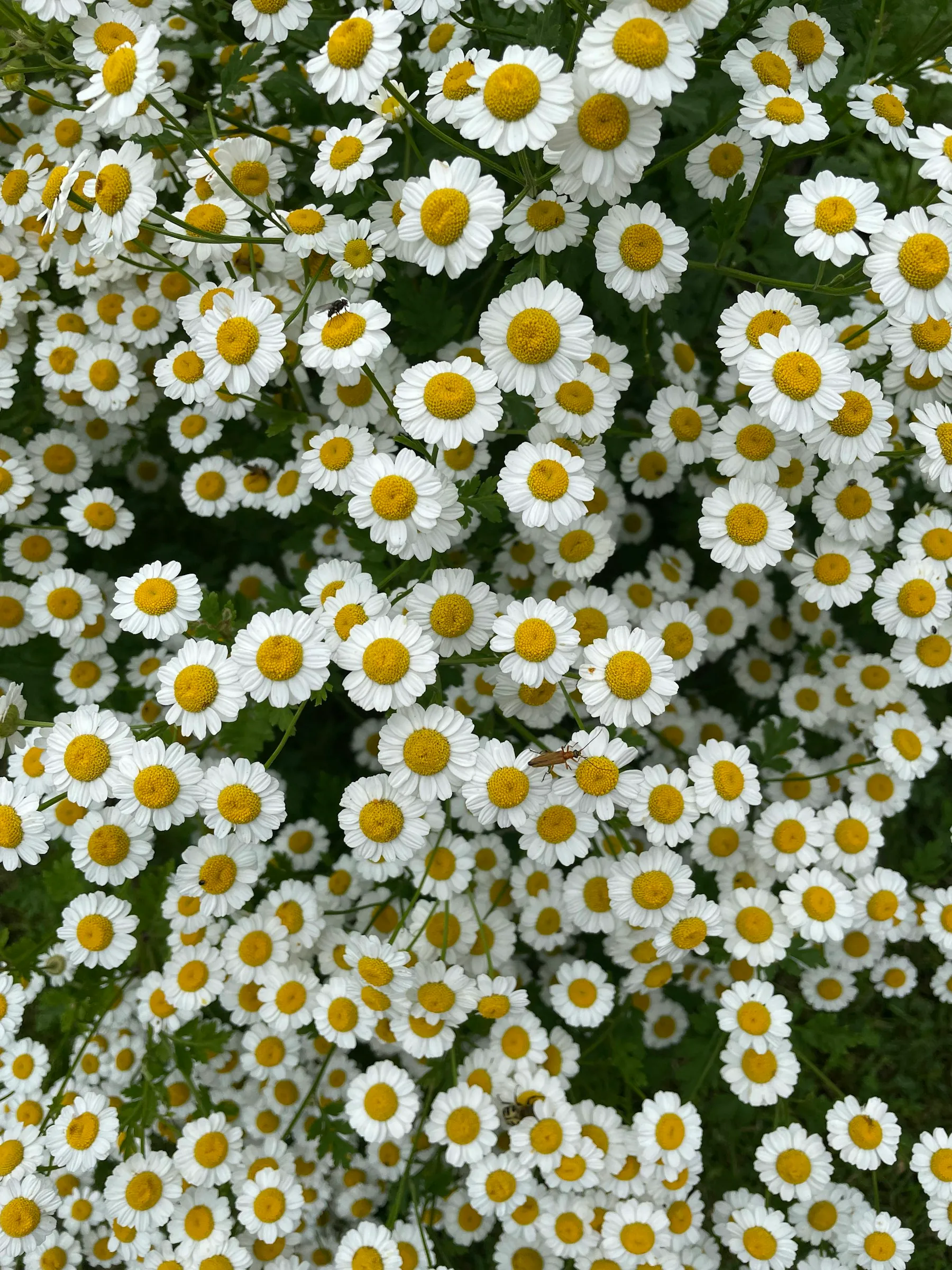
Then warm the inside. A pot of tea in the afternoon, a bowl of porridge in the morning, a mug of something gentle before bed. Chamomile is my winter evening companion, a little cup of summer sunshine saved for the dark.
And move, a little, every day. Not to burn anything off, just to keep the blood moving and the heart warm. A brisk walk wrapped up in a scarf warms me more than any radiator.
Light
Go out and find the daylight while it’s here. Even on a grey day, a walk around midday gives your body far more light than an indoor lamp ever could. I try to treat that hour as an appointment.
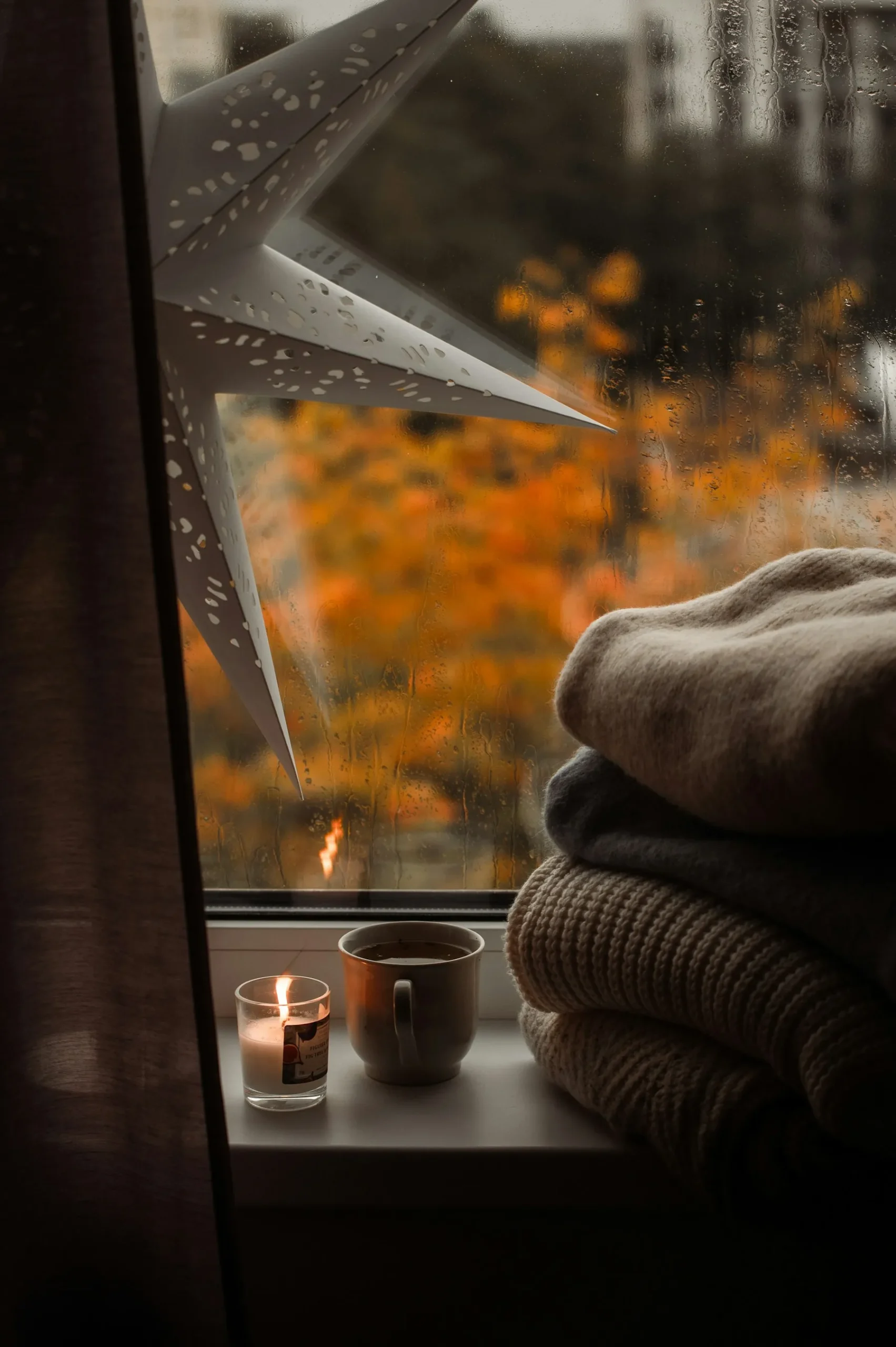
Then, when the dark comes, make small light rather than harsh light. Lamps instead of the ceiling light. Candles at dinner. In Denmark, many homes burn a kalenderlys through December, a tall candle marked with the numbers 1 to 24, burned down one mark each day until Christmas Eve. I love watching the days shrink on the candle as the light shrinks outside, knowing the solstice is coming and the turn with it. Please never leave a candle burning unattended, however cosy the room.
A gentle word: if the dark months bring a low mood that doesn’t lift, or you start to feel hopeless, please talk to your doctor. Seasonal depression is real, it’s common this far north, and there is good help for it, including light therapy. You don’t have to wait for spring alone. It’s also worth asking whether you need extra vitamin D in winter, as many of us in the north do.
Seasonal food
The dark months have their own kitchen, and it is a generous one.
- Roots and cabbages: carrots, beetroot, celeriac, parsnips, leeks, red cabbage and kale. Roasted slowly or simmered into soup.
- Stored fruit: apples and pears from the autumn, baked with cinnamon or stewed for breakfast.
- Grains and pulses: oats, barley, rye bread, dried beans and lentils. The foods that were put away for winter long before supermarkets.
- Warming spices: ginger, cinnamon, cardamom and clove, in tea, porridge and baking.
In Denmark, December brings æbleskiver, little round pancakes eaten with jam and icing sugar, and grønlangkål, kale stewed in cream, at the Christmas table. Cook what is in season where you are, and you’ll find you’re eating with the year rather than against it.
Hygge, in a deeper sense
Hygge has been sold to the world as candles and blankets and expensive cushions. Those things can be part of it, but they are not what Danes mean by it.
Hygge is a feeling, not a product. It is the feeling of being sheltered together: friends around a table, a pot on the stove, the dark pressing against the windows and everyone inside it safe. It is about presence rather than performance. Nobody has to impress anybody. Nobody dominates the conversation. Phones stay in pockets. It is about slowness, and about equality at the table.
You can have hygge alone, too. Many Danish homes have a hyggekrog, a small corner made for curling up, with a chair, a blanket, good light and a book within reach. Make one for yourself this winter. It doesn’t need to be beautiful. It needs to be yours.
Hygge isn’t something you buy. It’s something you allow.
A small winter rhythm
If it helps to have a shape for your days, here’s mine, offered as an example rather than a rule:
- A slow morning with porridge and the radio, not the news.
- A walk in the daylight, every day, whatever the weather.
- A candle lit at dusk, as a small ceremony for the end of the working day.
- Soup or something slow-cooked for supper.
- A book instead of a screen for the last hour, and bed earlier than feels reasonable.
The wheel is turning, even when it doesn’t feel like it. After the solstice, the light comes back a minute or two each day. By Imbolc in early February you’ll notice it, and the first snowdrops won’t be far behind. Until then, rest. The seeds are.
[ADD SOMETHING ABOUT YOUR OWN WINTER, OR YOUR FAVOURITE DARK-MONTHS RECIPE.]